Table Of Content

Even though you have a green light to continue on with your beauty routine, Dr. Green told us that there are a few things pregnant and breastfeeding women should be aware of when it comes to hair dye. A professional salon might be better ventilated, and they might be more careful about not getting dye onto your scalp, but there’s no guarantee that it’s definitely safer,” Sterling says. Natural dyes, such as henna, may be another option for a subtle color. If you like the idea of being a redhead, the dark auburn notes that henna gives may be appealing. Make sure to read the labels when you’re choosing the henna — some formulas have chemicals added, so look for the pure henna variations.
Best pregnancy safe hair dyes
We believe you should always know the source of the information you're reading. Going to get them done again at the end of May. as long as you're in a well ventilated area you'll be ok. Your thicker, fuller hair will begin to shed after the baby is born. Preparing for it will make it easier, and within just a few months, your hair cycle will return to normal. You should also always complete a patch test to make sure you don't have a nasty reaction to the dye.
Best pregnancy safe bright hair dye
If you're expecting, you might be wondering whether it's safe to dye your hair while pregnant. The amount of hair dye that is likely to enter the mother’s bloodstream (either via the skin or from inhaled product fumes), and therefore potentially reach the baby in the womb, is expected to be very small. Two studies have provided no proof that use of hair dye in pregnancy causes heart defects in the baby. Choosing a safe, gentle hair dye is one way to protect your baby from chemical exposure.

How to use hair dye safely during pregnancy
The fumes can be incredibly irritating for pregnant women or people with breathing sensitivities like asthma. When it comes to safety during pregnancy, there's no difference between bleach, hair dye, relaxers, or curling solutions. They don't pose additional risks as long as you follow the precautions below.
ONC Natural Colors Healthier Permanent Hair Color
If a person has any concerns about hair treatment during pregnancy, they should speak with a healthcare professional. However, researchers do not mention how frequently people dyed their hair before becoming pregnant. Additionally, they did not collect data regarding hair dye use during pregnancy. Highlighting your hair, by putting the dye only on to strands of hair, reduces any risk.
Use gentle color
Love changing up your look but are unclear whether it's safe to color your hair while expecting? Experts share the truth behind whether it's okay to dye your hair while pregnant. The best and safest kind of hair dye to go for are plant-based or organic dyes. These will be a lot more gentle on your skin, and are particularly ideal if you suffer from dry or irritated scalp. These might be a good alternative to switch to during your pregnancy. It’s important to follow the directions in your hair color kit whenever you decide to color your hair at home, but even more so when pregnant.
This is something that many professional colorists won’t do and isn’t safe for you to do at home. It can cause swelling in the eye area, increase the risk of infection, and possibly lead to blindness. Bleaching your hair includes the use of hydrogen peroxide and may be used in conjunction with other types of hair coloring.
And always consult with your medical provider for any questions and concerns. The structure of your hair itself may also change during pregnancy, making these chemical treatments ineffective for the result you want. While many women report that their hair is shinier, thicker, and grows faster (due to the extra folic acid they’re taking), other women experience the opposite. If you aren’t getting the proper prenatal vitamins and minerals you need, your hair can become dry, brittle, and more prone to breakage.
7 Best Pregnancy Safe Hair Dyes - Baby Center
7 Best Pregnancy Safe Hair Dyes.
Posted: Wed, 29 Jun 2022 07:00:00 GMT [source]
Content
However, there are some precautions you should take for your own comfort and peace of mind. Getting a perm doesn't appear to be a risk to your health or your baby's. There aren't any conclusive studies about how safe the chemicals used in perms are during pregnancy, but the body absorbs very little of those chemicals. To be extra cautious, you can wait to color your hair until your second trimester, after the critical stages of your baby's organ development are complete. The skin can absorb these chemicals through the skin during application to the hair. If a healthcare provider is on board, bleaching your hair during the second or third trimester of pregnancy is most likely safe.
Ob/Gyn Salena Zanotti, MD, dives into hair dye, pregnancy and its effects on fetal development. Perming your hair during the second and third trimesters of pregnancy is a safe treatment and can make caring for your hair less time consuming and easier. Although, you're advised to avoid having any chemically treatment on your hair in the first trimester.
Vegetable and henna dyes are other less-toxic at-home alternatives, though check the label before buying. Some so-called "natural" processes contain just as many chemicals as their traditional counterparts. Yes, you can dye your hair while you're pregnant — as long as you take certain precautions and mention your pregnancy to your stylist. Remember first and foremost, you and your body are doing a truly amazing thing.
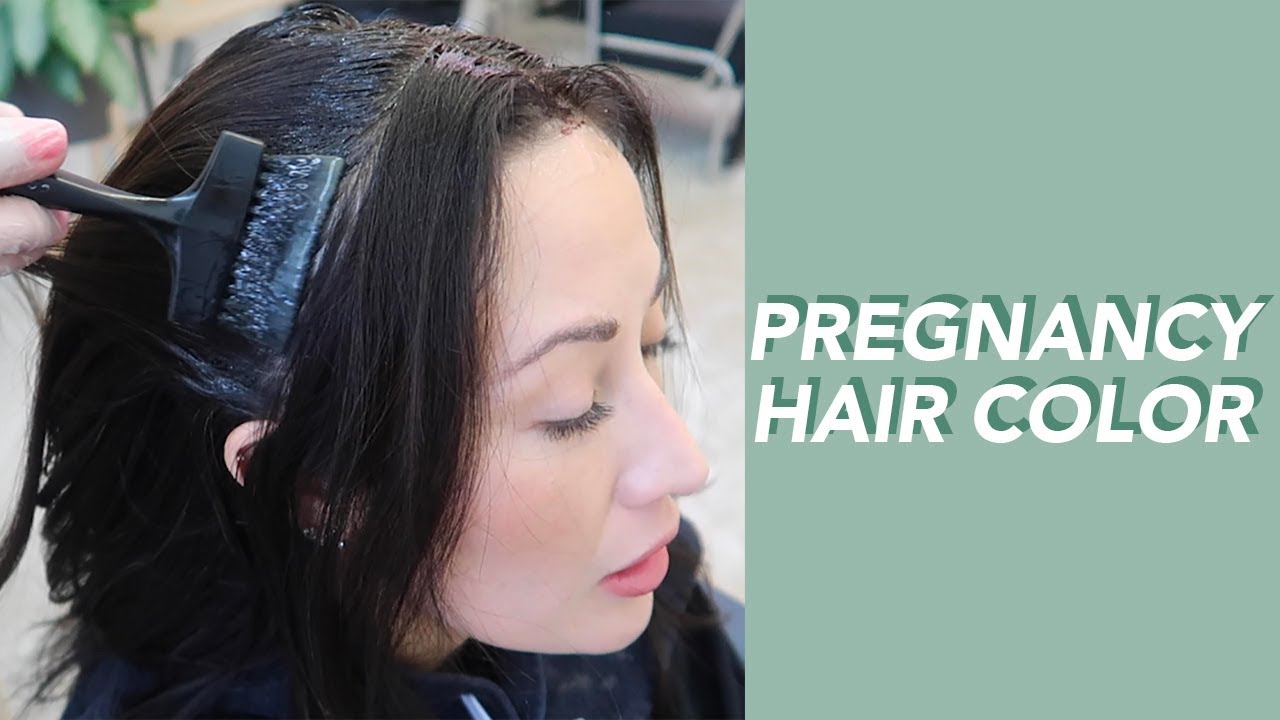
Once you get the go-ahead from your doctor to book the salon appointment, you may want to reconsider which service you get. Root touch-ups and a root-to-tip color change are considered single-process color; this means dye is applied to the hair and scalp, where the pores in your skin soak up the chemicals, which can enter your bloodstream. Mostly all of my clients continue dying their hair while pregnant, and I’ve had two healthy babies coming into contact with dye very regularly.
Ask your doctor before dyeing your hair to avoid unwanted side effects. Although dye may come into contact with your forehead or scalp, only a small amount of the chemical is actually absorbed into your skin. It’s a small amount, so the chemical is unlikely to have any harmful effect on your baby’s developing body. According to the American College of Obstetricians and Gynecologists (ACOG), previous animal studies have found that high doses of the chemicals used in hair dye don’t cause any serious birth defects. Plus, only a small amount of these chemicals are actually absorbed into the scalp. Even though the chemicals in hair dye are likely safe, it's always better while pregnant to use plant-based dyes to minimize your risk of chemical exposure.
Root Touch Up is a dry powder that can be brushed onto hair to cover roots. A temporary solution that lasts from shampoo to shampoo, Root Touch Up is an easy way to keep grays at bay without chemical exposure. It's free of titanium dioxide, a possible carcinogen and known to trigger an inflammatory response. It is also gluten-free and does not contain PPD, PTD, ammonia or resorcinol. You should also test out the dye on a strand of hair before dying your whole head (or inform your colorist that you're pregnant so they know to do so), says Dr. Hack.